Clinical psychologist and implementation scientist advancing behavioral and physical health equity
I study how social, cultural, and structural environments shape chronic stress, health behavior, and psychological adaptation. In partnership with communities and service organizations, I develop, test, and implement scalable behavioral interventions designed to improve health and well-being.
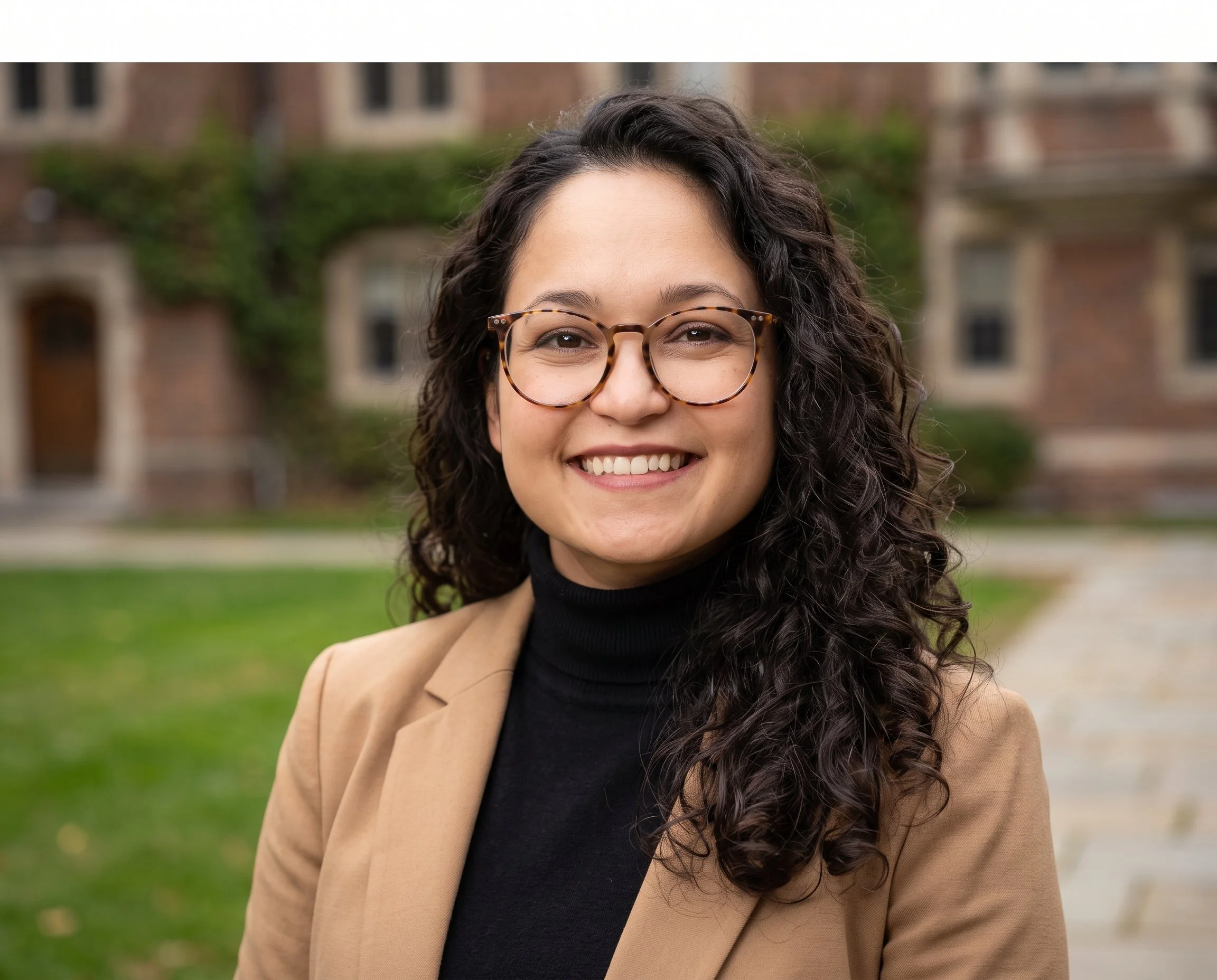
Understanding health inequities and developing sustainable solutions
I am a bilingual and bicultural licensed clinical psychologist, implementation scientist, and faculty researcher. My program of research integrates behavioral and clinical science, public health, intervention science, implementation science, and community-engaged methods.
My work has progressed from studying psychological and treatment mechanisms, to examining how social and cultural environments shape adaptation and health, to developing culturally responsive interventions, and increasingly to determining how effective interventions can be implemented equitably and sustained in real-world community settings.
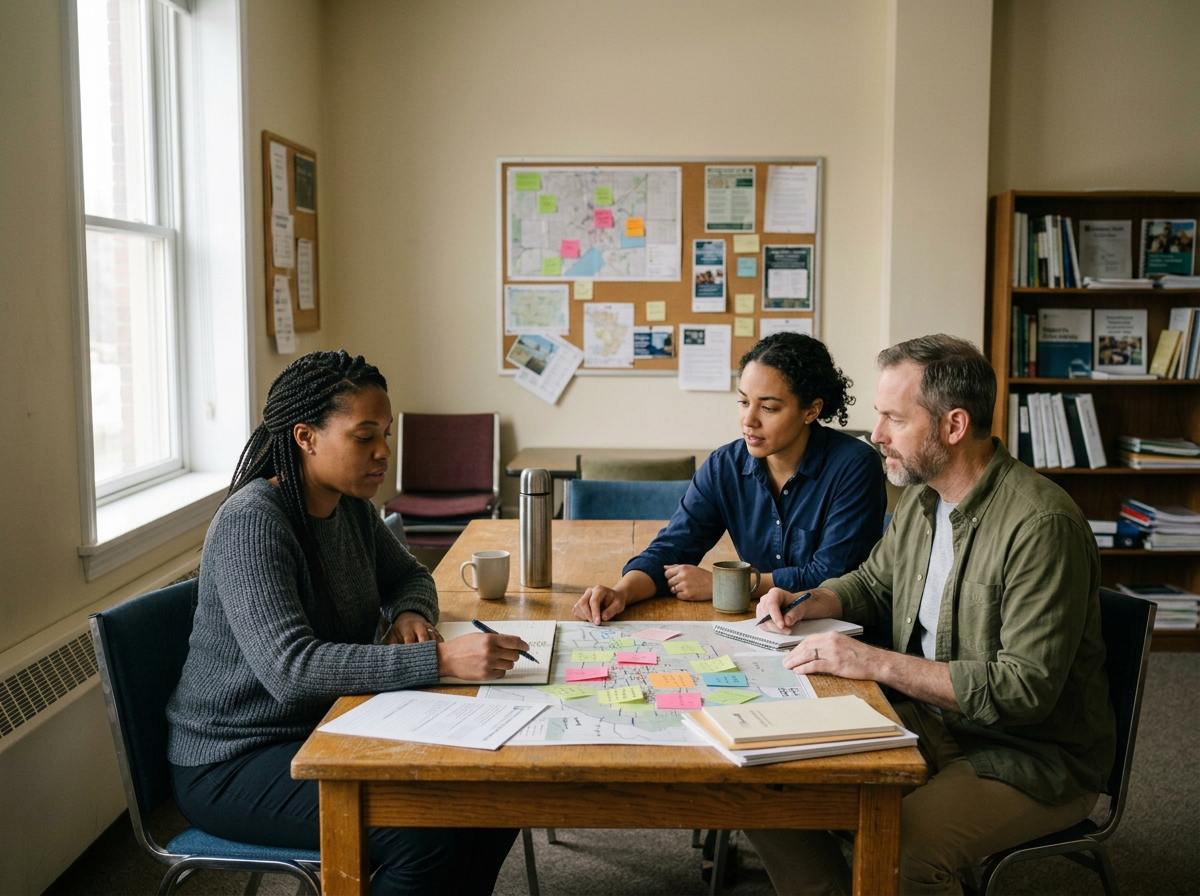
Across this work, I use quantitative, qualitative, and mixed methods approaches to identify modifiable mechanisms, develop interventions with communities, test how and for whom those interventions work, and examine the conditions necessary for them to achieve meaningful population impact.
Questions that drive my research
My research is organized around two overarching questions:
How do trauma, adversity, and the social, cultural, and structural environments in which they occur shape psychological adaptation and mental and physical health?
And how can clinical and behavioral science be used to develop, adapt, implement, and sustain interventions that improve health and well-being equitably across populations and settings?
These overarching questions lead to a set of connected questions that guide my research across the translational continuum:
What modifiable psychological, behavioral, interpersonal, social, organizational, and contextual mechanisms shape responses to trauma and adversity, psychological adaptation, resilience, and mental and physical health?
How do these mechanisms interact across individuals, relationships, families, communities, organizations, and broader social, cultural, and structural environments?
How can knowledge of these mechanisms inform the development of effective behavioral and psychosocial interventions?
Do interventions work, for whom do they work, through what mechanisms, and under what conditions?
When does cultural or contextual adaptation improve intervention fit, engagement, reach, and effectiveness, and when might adaptation alter the mechanisms through which an intervention produces change?
How can effective interventions be delivered outside traditional specialist settings, including through Community Health Workers and other trusted providers, without compromising effectiveness, acceptability, safety, or fidelity?
What individual, community, organizational, and health-system conditions support equitable reach, high-quality delivery, adoption, affordability, and sustainment?
How can interventions remain effective, accessible, and sustainable across populations and settings, including after research support ends?
Together, these questions allow me to connect the study of psychological and contextual mechanisms with intervention development, implementation, and longer-term systems change.
Impact at a glance
Let’s connect!
I welcome opportunities to collaborate on research, training, and community-engaged initiatives focused on behavioral health, intervention development, implementation science, and health equity.